


One homeowner on Reddit recently shared photos of five months' worth of progress on their beautiful and functional new rain garden.
A rain garden is a landscaping feature designed to trap runoff from rain. Not only does this provide free water for the plants growing there, but it also helps the water soak into the ground instead of running over it. This prevents erosion, keeps fertilizer and pesticide from being washed into storm drains where it can contaminate water sources, and refills underground water sources with clean water naturally filtered by the soil it flows through.
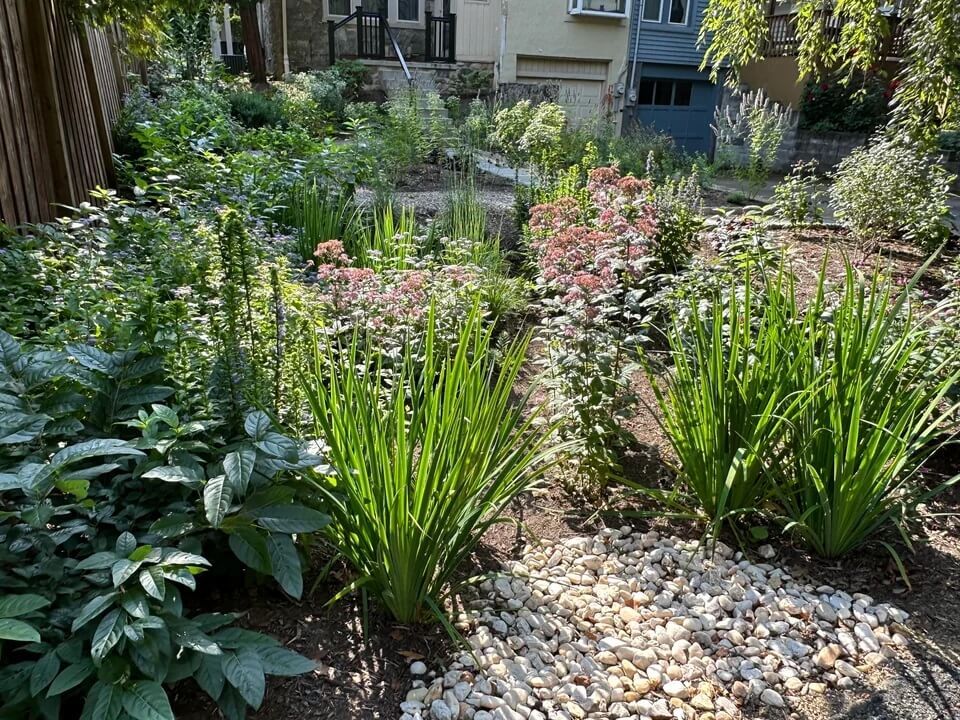
"Rain garden check-in from March's install," the Redditor said, attaching several photos of a cheerful garden full of pink and purple flowers and tall grasses.
The original poster said they relied heavily on native plants to create their design. In a comment, they identified specific varieties of Joe Pye weed, pink turtlehead, blue mistflower, iris, lobelia, little bluestem, cinnamon fern, and buttonbush. "These plants are installed in about 2' of sandy soil, so they can withstand periods of wet, but also long periods of dryness," they explained.
Native plants are ideal for a rain garden because they're well adapted for the amount of rainfall that is typical in its area, so they'll thrive with very little extra maintenance. This saves the owners money and effort.
Native plants, especially flowers, also provide food for pollinators and a place for these beneficial insects to lay their eggs. Boosting local pollinator populations benefits both artificial gardens and the wild ecosystems around them.
TCD Picks » Quince Spotlight
💡These best-sellers from Quince deliver affordable, sustainable luxury for all




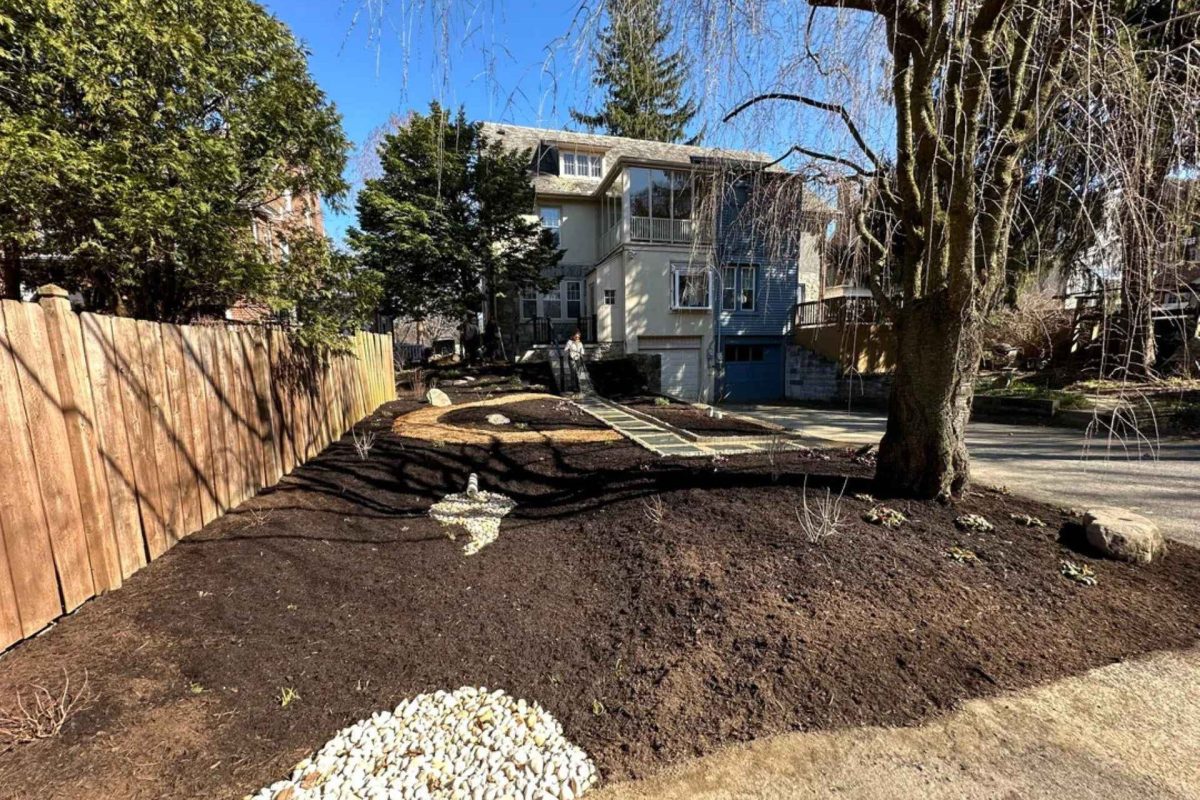
As for the basis of the water garden, it mostly involves channeling water into a shallow hole. The original poster shared one photo showing the garden's underpinnings. "Last photo was immediately post-install," they said.
In that photo, viewers can see that the original poster dug a long, shallow, oval-shaped depression in the bare ground, encouraging water to run into it. A pipe emerged at the higher end of the oval to carry rainwater there from deeper in the yard. Beds of rounded river stone prevent erosion under the pipe and where the rain garden met the sidewalk.
Commenters were amazed at how much progress the original poster had made in such a short time. "Since March?" asked one disbelieving user. "I'm so impressed!"
"Those are all first-year plants? That's amazing!" said another commenter.
One Redditor simply said it was "stunning."

Join our free newsletter for easy tips to save more, waste less, and help yourself while helping the planet.






