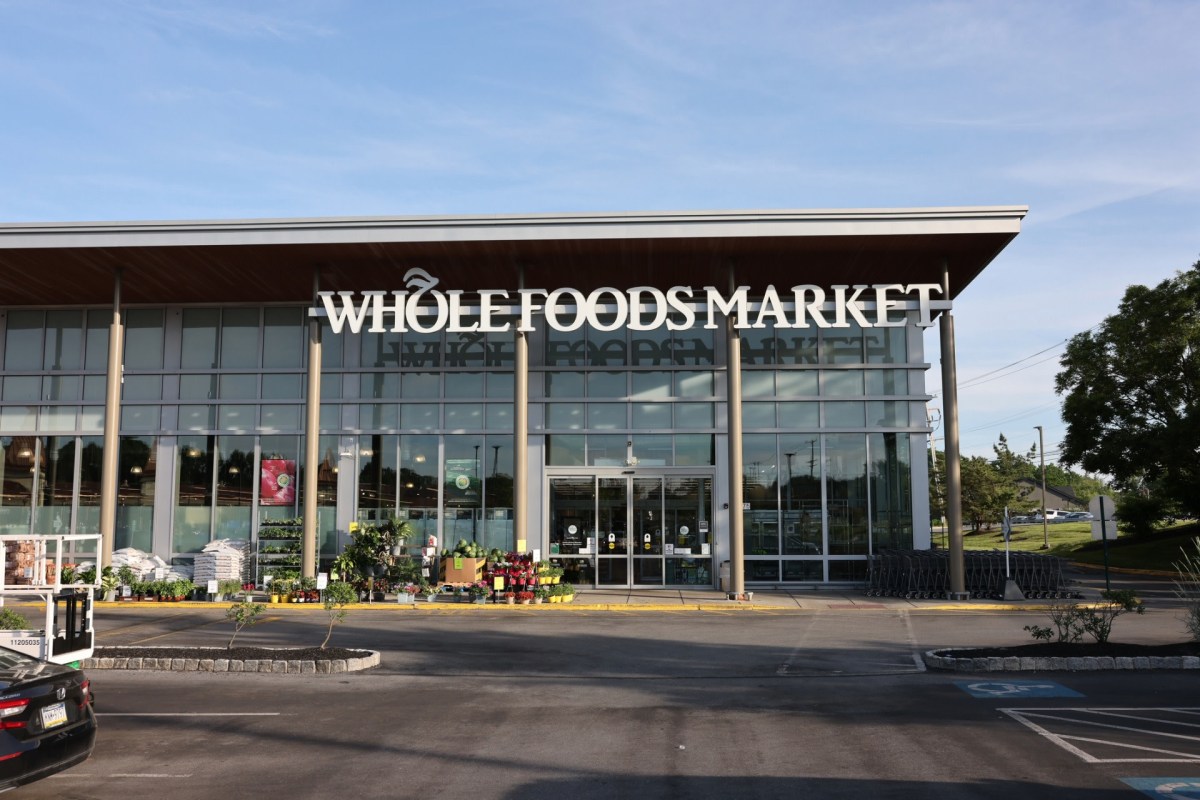
One customer recently lamented the waste they witnessed at Whole Foods, a store which does have policies in place to keep food out of the trash.
What's happening?
The original poster shared their experience on a subreddit for the Too Good to Go food waste prevention app, which was the reason they were in the store to begin with.
"Was stopping by Whole Foods to pick up a prepared meals bag (great value and lots of great stuff) but passed right by the bakery where I saw a worker dumping their whole display case of donuts/pastries in a trash bag," said the OP.
"Felt a little sad to see, since they're already registered with TGTG," the OP continued. "Not sure if they have a limit on … bags they can put out but they could've definitely made another 5-6 with what was thrown out."
They concluded by asking, "Is there some type of regulation or something they have to follow with display case pastries? They're always selling out of the pastry bags in my area really quick so kinda disappointing they can't just turn those into bags instead of dumping them out."
Why is food waste important?
Food waste at grocery stores is incredibly common, with consequences that rebound on the customers.
TCD Picks » Upway Spotlight
💡Upway makes it easy to find discounts of up to 60% on premium e-bike brands



When large stores like Whole Foods do business, every expense is accounted for. That includes the waste from unsold food. The prices of all items are higher to make up the difference, so you pay more every time you shop.
Meanwhile, every bite of wasted food means we need to grow, process, ship, stock, and sell more to replace it. That puts strain on our planet's resources, not to mention taking extra labor and creating extra pollution. The more food goes to waste, the bigger the burden.
Is Whole Foods doing anything about this?
There are steps a business can take to minimize waste, but not all of them do — and even the stores with the most responsible policies sometimes seem to be fighting a losing battle.
As the OP pointed out, Whole Foods already uses Too Good To Go to minimize food waste, in addition to many locations having a cooler filled with soon-to-expire items at 50% off. The Too Good To Go app allows businesses to list food close to its expiration date for a discount. Shoppers get a deal, and the store gets to make money on food it would otherwise have to pay to dispose of.
TCD Picks » Stasher Spotlight
💡Stasher's reusable food storage options make it easy and affordable to live life with less plastic


|
Should it be illegal to throw away old clothes?
Click your choice to see results and speak your mind. |
 Heck yes 👍
 However, as commenters explained, not just any food can go in a Too Good To Go bag.
"I work in the bakery," wrote one user. "We cannot put breakfast case product (or anything self serve) in the bags. Has to be packaged. I'm sure it has to do with the fact that there's no way of knowing if customers touched product, etc, and also there'd be no ingredients on anything. When you see the things some people do with self serve cases, you don't even want that product."
What other options are there for addressing food waste?
Even if food isn't safe to be sold — or, for that matter, donated — it can still be used in other ways rather than sending it to a landfill. It can be turned into animal feed, compost, or biofuel — all better options for the planet, and ones with the potential to save money and make efficient use of resources.

Join our free newsletter for easy tips to save more and waste less, and don't miss this cool list of easy ways to help yourself while helping the planet.
Cool Picks