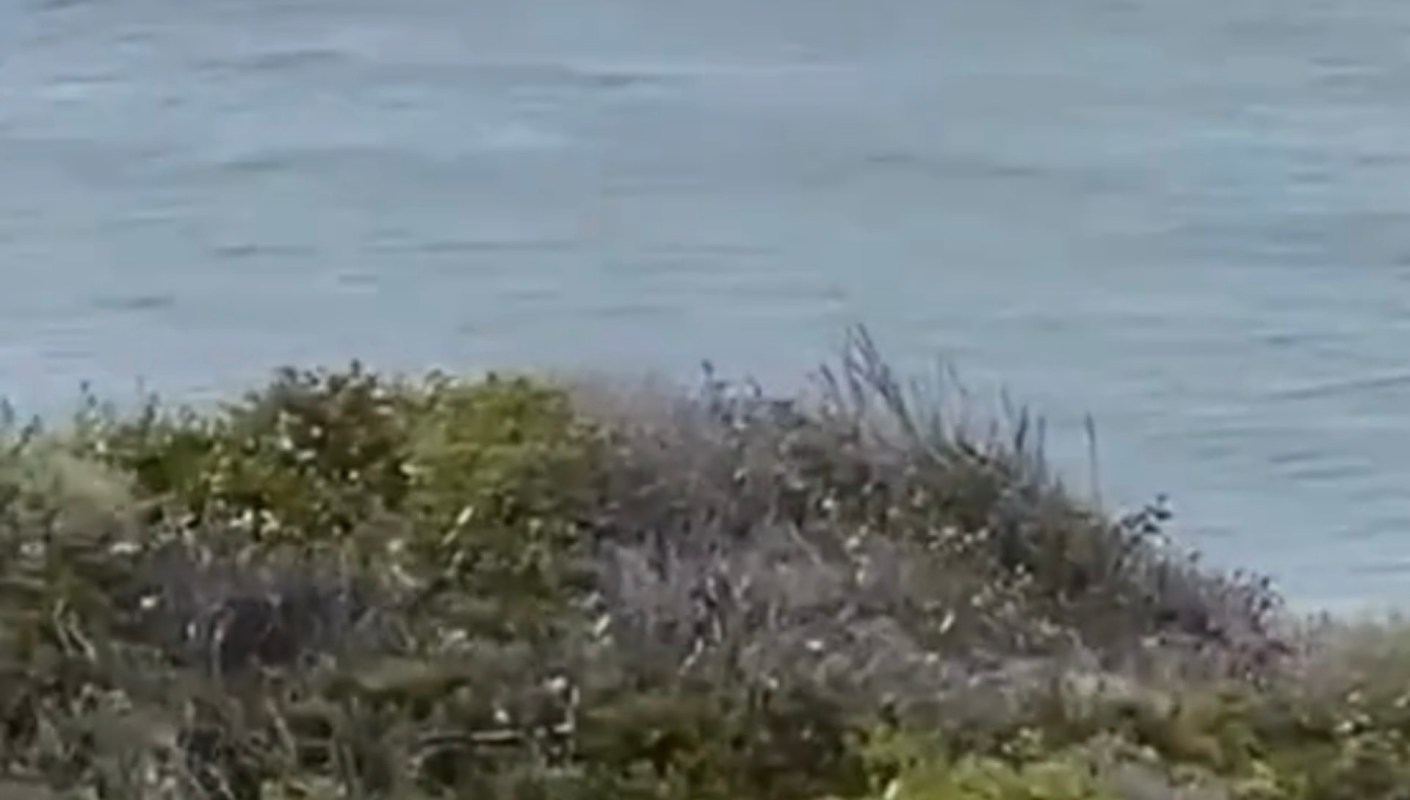
A TikTok video posted by The Advertiser (@the.tiser) has stunned viewers, showing the moment a surfer at Kangaroo Island in South Australia was suddenly attacked by a shark.
Filmed from the beach, the clip captures a bystander's shocked "Oh s***" as the animal thrashes at the back of the surfer's board at D'Estrees Bay, a stretch locals call "The Sewer."
The man, in his 50s, was bitten twice on the leg, while nearby seals can be seen leaping toward shore.
What's happened?
In the dramatic footage, the surfer is paddling when a shark rushes up behind him, striking his board. The water churns as the animal makes contact, prompting the surfer to scramble toward land.
The seals' frantic movement in the background hints at the predator's arrival.
Why is this event concerning?
While isolated, encounters like this don't occur in a vacuum. Human population growth along coasts, coupled with booming tourism industries, means that people are increasingly sharing space with marine wildlife.
TCD Picks » Upway Spotlight
💡Upway makes it easy to find discounts of up to 60% on premium e-bike brands





At the same time, climate change is reshaping ocean environments, warming waters, altering migration patterns, and contributing to resource shortages that can push predators into new areas in search of food.
Habitat degradation exacerbates these pressures, causing stressed animals and unaware humans cross paths more often. This isn't just a wildlife issue — it's a community safety issue.
When ecosystems are strained, the ripple effects spread widely. Protecting habitats helps stabilize food webs and reduces the likelihood of dangerous encounters such as the one seen in the TikTok video.
By understanding these connections, we can better appreciate how environmental stewardship ultimately benefits both people and animals.
TCD Picks » Stasher Spotlight
💡Stasher's reusable food storage options make it easy and affordable to live life with less plastic


|
Do you think America does a good job of protecting its natural beauty? Click your choice to see results and speak your mind. |
 Definitely 👍
 What's being done about it?
Marine conservation efforts, including habitat protection, sustainable tourism practices, and community education, are central to reducing conflict between humans and wildlife. Healthy, intact ecosystems support balanced predator-prey relationships and lessen the chance that sharks or other animals end up in high-traffic areas.
Individuals can help by staying informed about local conditions, respecting wildlife zones, and supporting conservation programs that prioritize ecosystem resilience. Every effort to maintain thriving oceans contributes to safer coastal communities.
In the end, safeguarding our environment doesn't just protect biodiversity; it also helps keep moments like this frightening encounter from becoming more common.

Get TCD's free newsletters for easy tips to save more, waste less, and make smarter choices — and earn up to $5,000 toward clean upgrades in TCD's exclusive Rewards Club.
Cool Picks