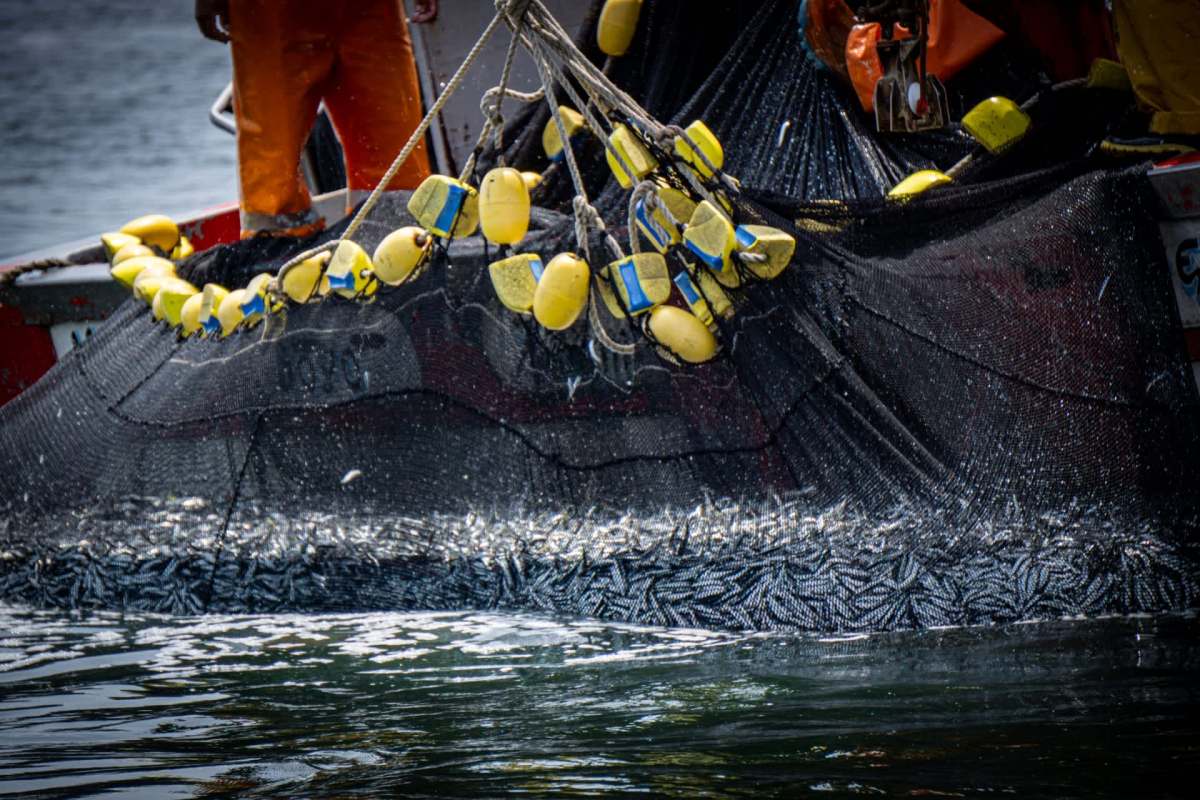
A controversial decision by the U.K. government may stall progress toward protecting marine ecosystems, as bottom trawling in some protected areas remains unrestricted. Critics warn this ruling could put coastal communities, food security, and local economies at risk.
What's happening?
The Guardian shared a report on the new government ruling that limits the restrictions on the use of bottom-towed fishing gear in marine protected areas (MPAs).
Instead of a blanket ban, the Department for Environment, Food, and Rural Affairs has decided to restrict bottom trawling only when it's assessed as damaging to specific protected features.
Defra asserts that a blanket ban would be disproportionate, appearing to consider all stakeholders involved.
"Restoring our oceans to good health is essential for both nature and for fishing businesses," a Defra spokesperson said, as published in The Guardian.
However, Members of Parliament are urging the government to reconsider a wider ban that would better maintain the integrity of MPAs.
TCD Picks » Upway Spotlight
💡Upway makes it easy to find discounts of up to 60% on premium e-bike brands


Why is this policy concerning?
Without a whole-site ban or clear implementation rules, bottom trawlers can continue doing what they do — drag heavy nets across the seabed. They scoop up large swaths of marine life and leave broken coral reefs behind. Meanwhile, sole, cod, haddock, and other seafood are kept for profit.
Bottom trawling also affects the world at large. A study published on Frontiers in Marine Science revealed that trawling releases carbon stored beneath the seafloor.
The researchers found that up to 60% of this, once disturbed in aquatic systems, escapes into the atmosphere within seven to nine years and contributes to rising global temperatures.
Another study shared by National Geographic notes that this damaging fishing practice costs Europe up to €10.8 billion in annual costs, mostly due to the amount of heat-trapping gases released when the seafloor is disturbed.
TCD Picks » Stasher Spotlight
💡Stasher's reusable food storage options make it easy and affordable to live life with less plastic


|
Do you think the government should ban gas-powered lawn tools? Click your choice to see results and speak your mind. |
 No way 🙅
 What's being done about the issue?
A Commons committee has already appealed to the new environment secretary, reiterating the urgency for a complete ban on bottom trawling in marine protected areas.
Other countries, including Sweden and Greece, have already banned the practice, and the U.K. would do well to follow suit.
Environmentalists are also raising more awareness on the destructive impact of bottom trawling. A film by Sir David Attenborough, for one, is helping bring attention to this matter.
It will hopefully encourage more individuals to talk about environmental issues and vote for candidates who can make sure government policies truly protect our planet.
As for the complete bottom-trawling ban in MPAs, Attenborough captured the sentiment of many in his remark in the documentary film "Ocean," per The Guardian: "The idea of bulldozing a rainforest causes outrage, yet we do the same underwater every day. Surely you would argue it must be illegal."

Join our free newsletter for good news and useful tips, and don't miss this cool list of easy ways to help yourself while helping the planet.
Cool Picks